
Our Footprint Stories
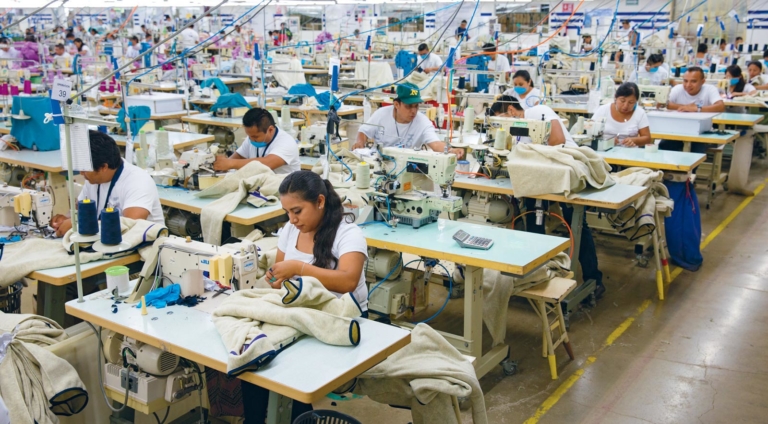
We started developing our social responsibility program in the mid-1990s, working side by side with factory partners. In 2001, we became a founding member of the Fair Labor Association, a nonprofit that works to improve working conditions worldwide. With over a decade of close focus on our cut-and-sew factories, in 2011, we moved one link…
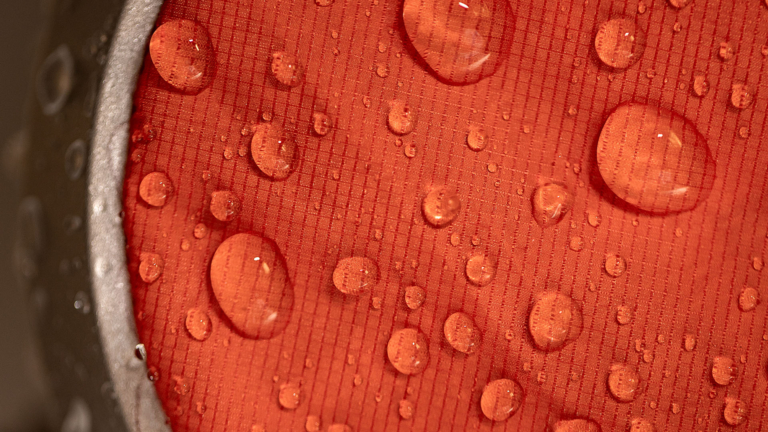
Los productos químicos perfluorados, conocidos como PFAS, entregan excelente impermeabilidad, pero también representan una amenaza contundente y persistente para nuestra salud. P or eso dedicamos casi 15 años a encontrar una manera de fabricar equipo sin usar e ste tipo de compuestos y sin comprometer el performance . Para el 2025 todos nuestros acabados DWR serán fabricados sin PFAS.
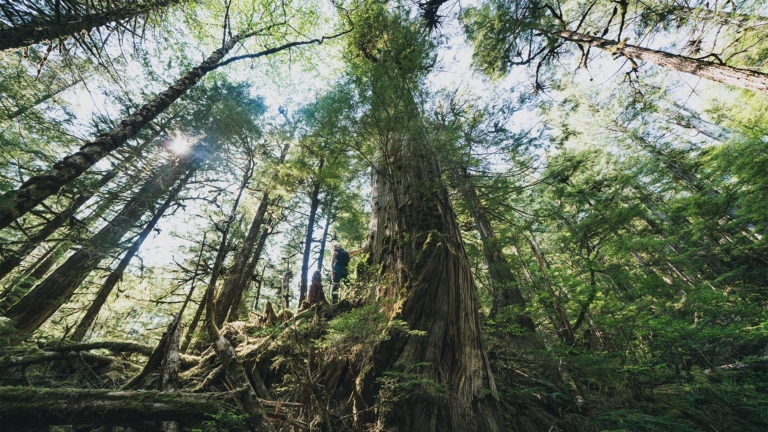
Introducing Home Planet Fund, an independent nonprofit that supports local and Indigenous communities who work in concert with nature to stop climate breakdown.

Tratar de enfrentar la crisis climática sin la ayuda de los océanos no dará un buen resultado.

“En lo salvaje yace la preservación del mundo.” – Thoreau Este año, Patagonia cumplirá 40 años. Hay mucho que celebrar en este aniversario, pero lo que más me enorgullece es el apoyo que hemos entregado a las personas que hacen el verdadero trabajo para salvar la naturaleza salvaje: los activistas comunitarios. Yo no soy un…
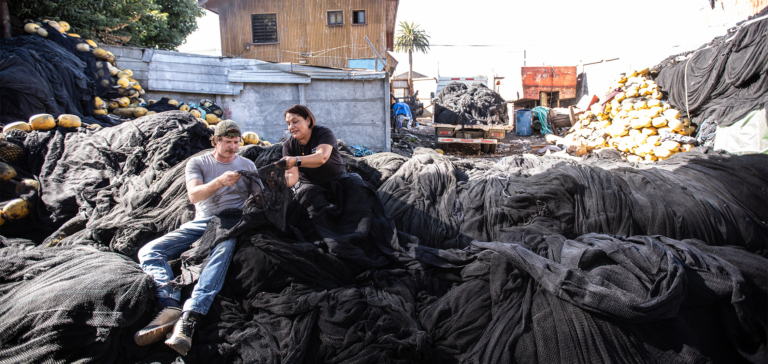
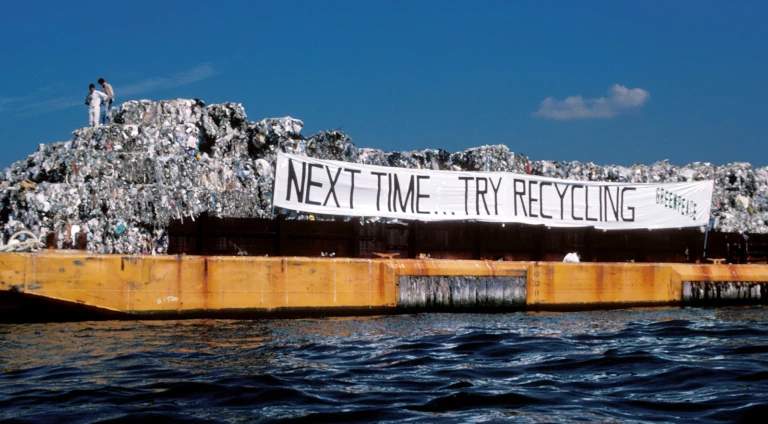
El pacífico sur tiene un problema con el plástico. Él tiene un camión.
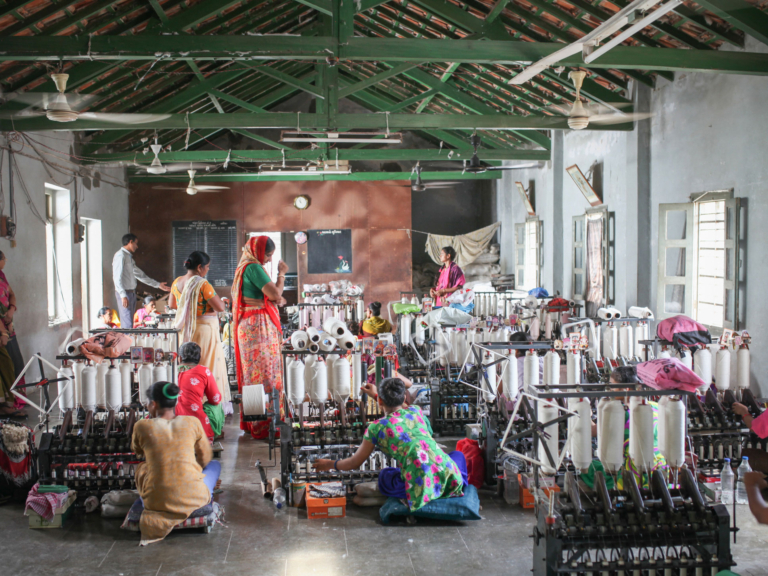
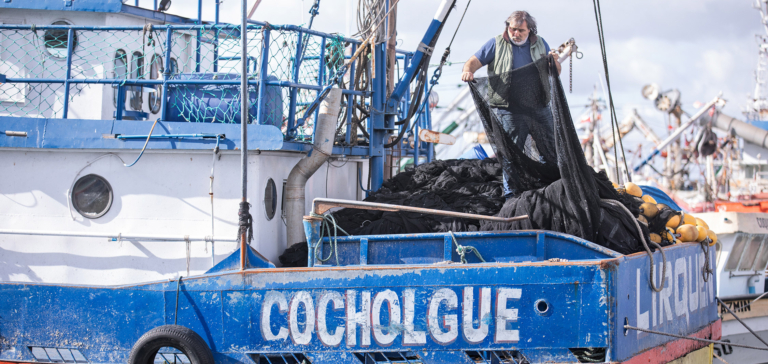

El cultivo de algodón orgánico, un trabajo duro e incierto, representa menos del 1 por ciento de la producción de algodón de EE.UU. Para esta familia es una vocación, justamente por eso.
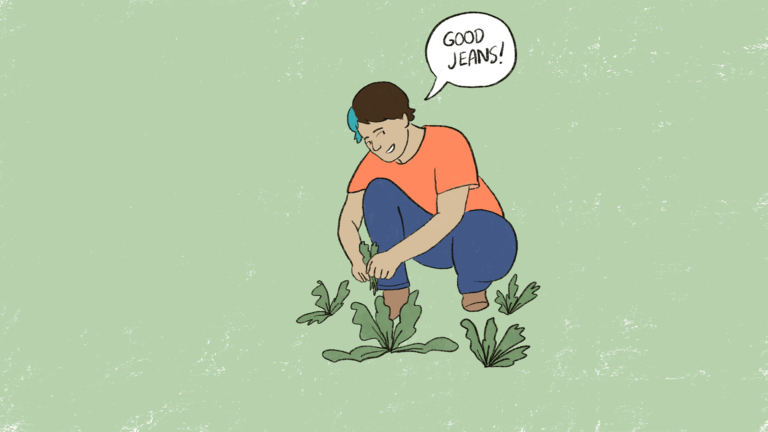
What’s the secret to a really good pair of jeans? Comics journalist Sarah Mirk tells us what to look for and how to keep them in play longer.
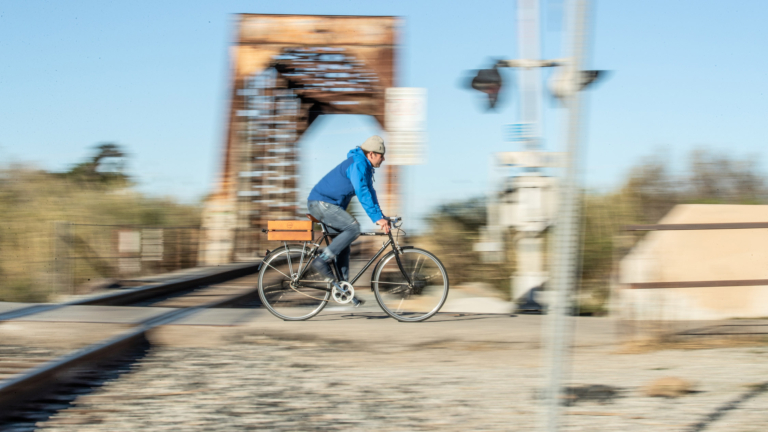
When it comes to making more responsible jeans, our work is never done. And, of course, we leave the really dirty work to you.
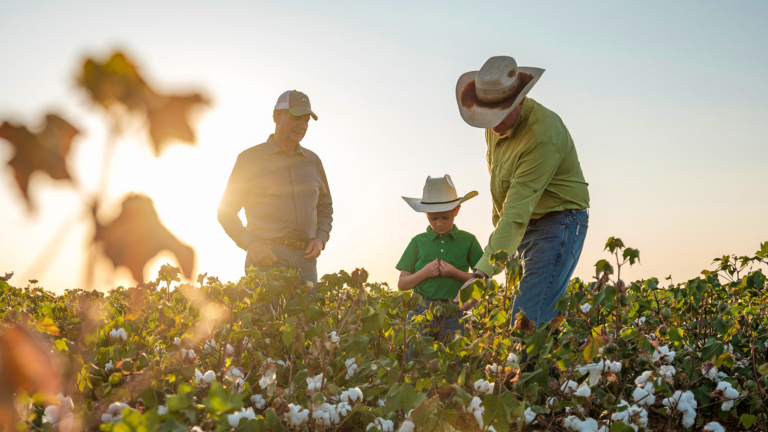
La historia de nuestra transición al algodón orgánico comienza con un brote de dolores de cabeza y un viaje al paisaje lunar de los campos de algodón convencional en el Valle de San Joaquín.
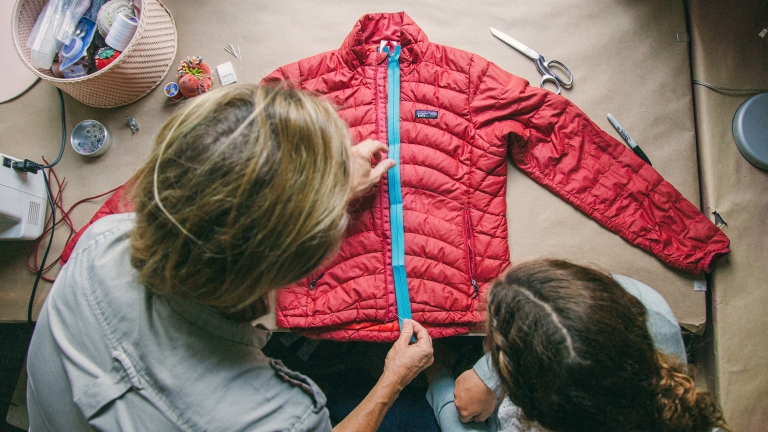
Patagonia’s journey toward zero waste and reduced carbon emissions, failed experiments included.

Why we rely on lab tests and data more than ever to make decisions about our products.
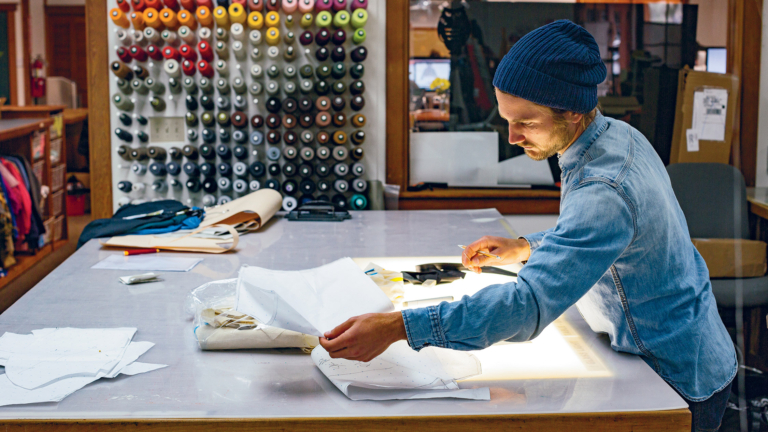
El sistema de puntuación ambiental de Patagonia está diseñado con nuestra huella ecológica en mente. Aquí explicamos por qué.
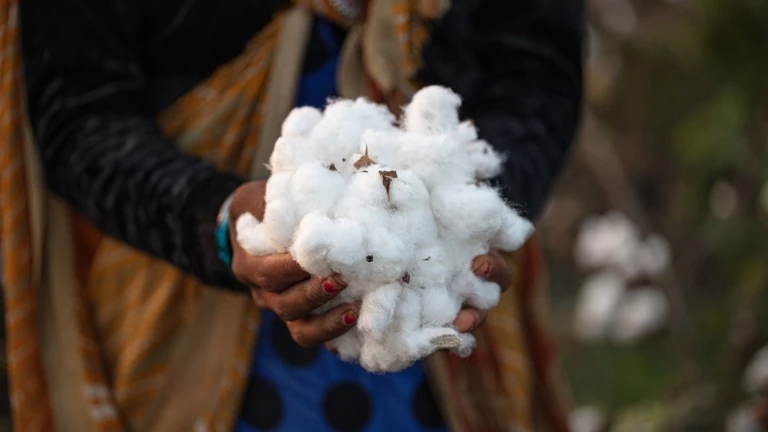
¿Puede realmente una camiseta de algodón ayudar a detener la crisis climática?
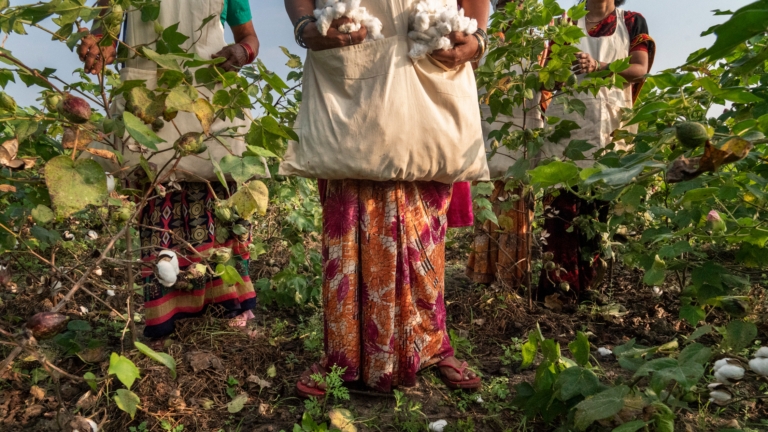
Esta es una prueba para cultivar nuestra ropa de una forma diferente.
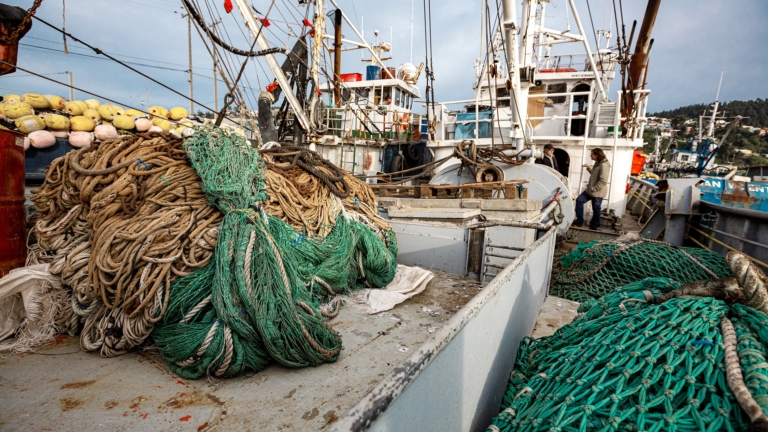
Cómo las redes de pesca desechadas terminaron en la visera de nuestros gorros.
Se fue a Italia para ver cómo se hace la lana reciclada y descubrir que todo tiene un impacto, incluso el reciclaje.
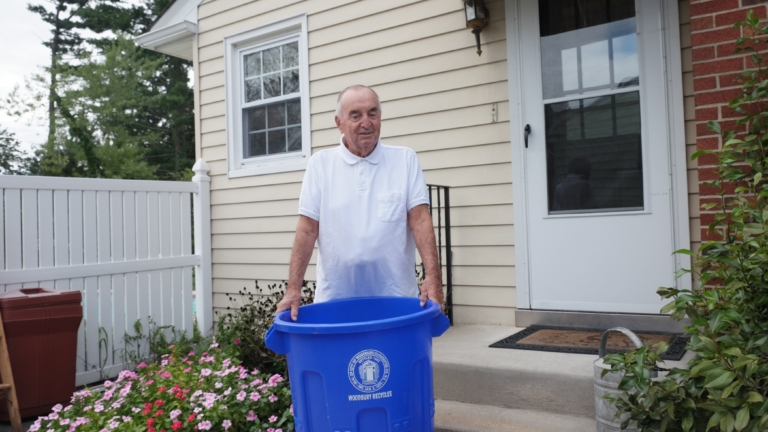
Donald Sanderson launched the country’s first mandatory curbside recycling program in Woodbury, New Jersey, in 1980. The recycling landscape has since changed. A lot. Is it still worthwhile?
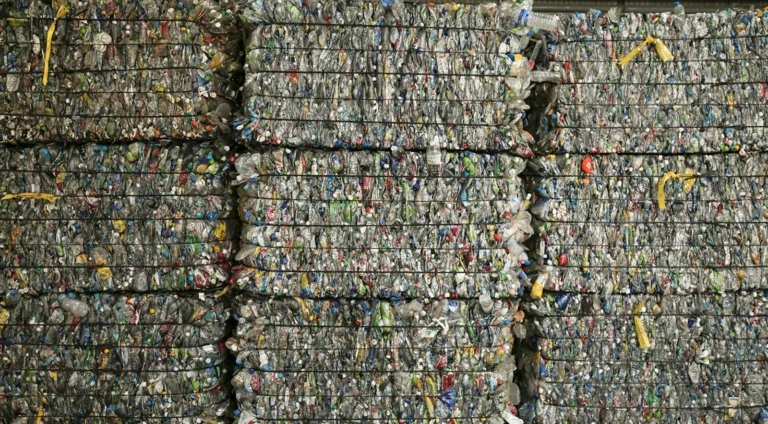
Our home planet has a deeply disturbing and pervasive problem with plastics. In April, a group of researchers studying the deepest part of the ocean—the Mariana Trench—discovered plastic bags and candy wrappers floating nearly seven miles below the surface of the Pacific Ocean. Globally, about 450 million metric tons of plastic are produced every year and 9.5 million tons of…
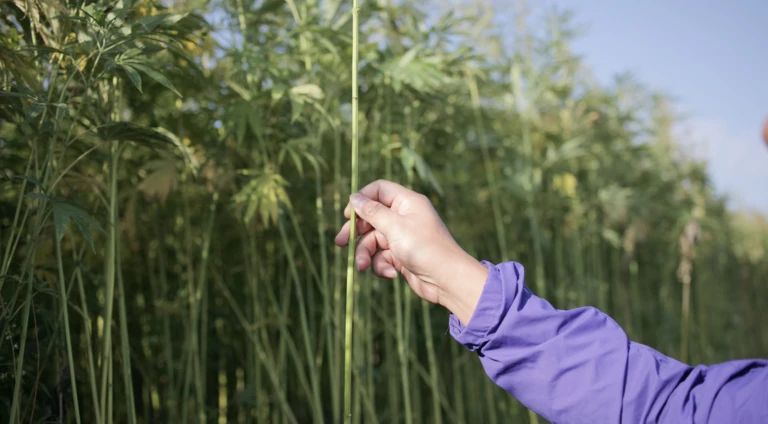
It’s hard not to notice the hype around hemp today. Pick up any lifestyle magazine, enter a pharmacy, talk to a health-food store employee or just the person next to you in yoga class—at some point you’ll learn about its miraculous powers. In particular, near-unbelievable claims swirl around cannabidiol, or CBD, oil derived from hemp:…
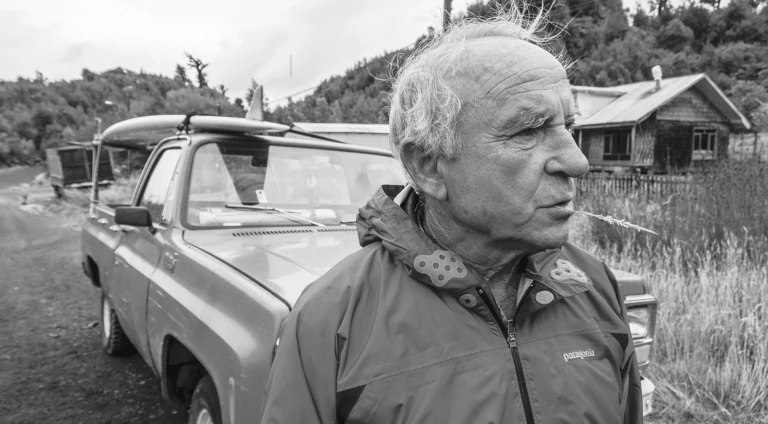
Yvon Chouinard shares how our company continues to do what it can to defend the soil, air and water we all depend on—and to confront the greatest threat to our welfare we’ve ever faced.
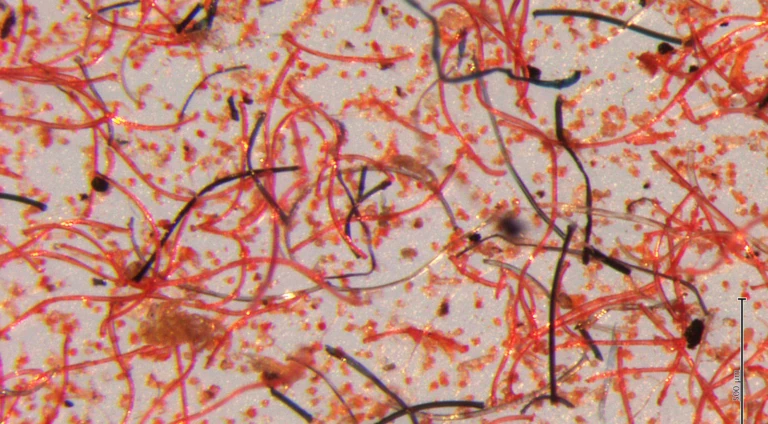
Together with industry partners, Patagonia commissioned Ocean Wise’s Plastic Lab to investigate microfibers, the tiny textile particles that shed from garments over their lifetime. The scientists at the Plastic Lab have just completed the first phase of this research project, so we asked them for an update. While plastic debris in the ocean has rightfully…
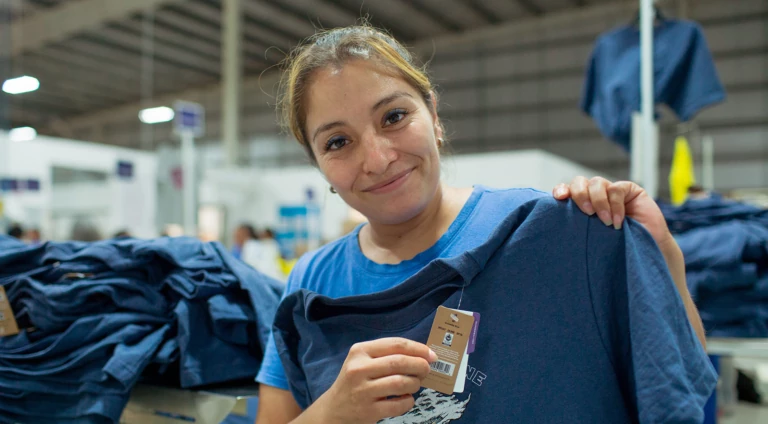
Behind everything we make is the hard work of a human being—from growing raw materials and weaving fabric to cutting and sewing the finished product. Yet those who work in garment factories—and, globally, more than 60 million people do—have historically been subject to substandard working conditions and unable to report those issues. That’s why, in…
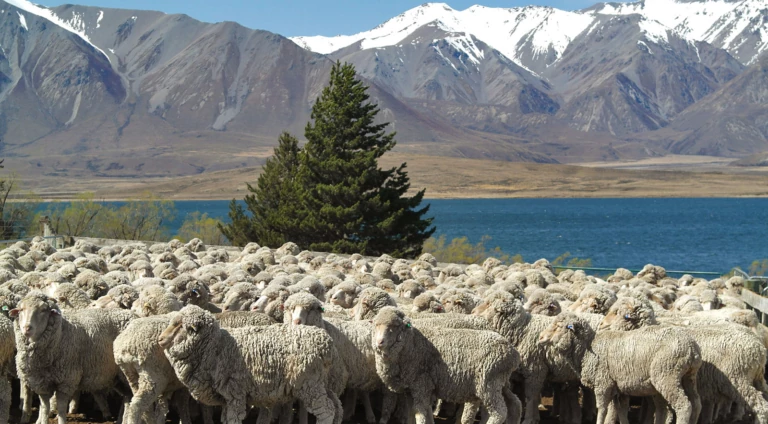
This article was first published in 2018. For the most recent information about our participation in the Responsible Wool Standard, visit Our Footprint. In 2015, we made the conscious decision to put a pause on our wool sourcing “until we can assure our customers of a verifiable process that ensures the humane treatment of animals.”…

For almost 20 years since the “organic” certification first passed, there has been a debate surrounding growing methods. Some foods are grown in soil, and others are grown hydroponically in large buildings and under lights. There is a reason for both growing methods, but it is important that they be labeled differently. Since the 1920s…
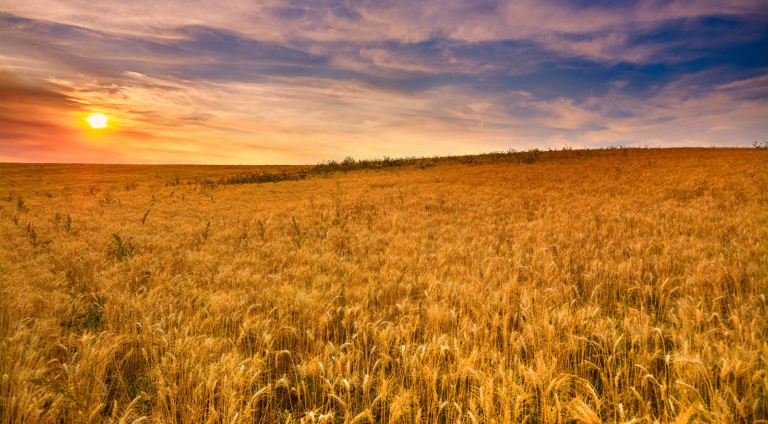
Working closely with Rodale Institute, Dr. Bronner’s and other key allies, we created Regenerative Organic Certification to establish a new, high bar for regenerative organic agriculture. The certification is the result of a lively and cooperative effort among a coalition of change-makers, brands, farmers, ranchers, nonprofits and scientists, all with a clear goal: to pave…
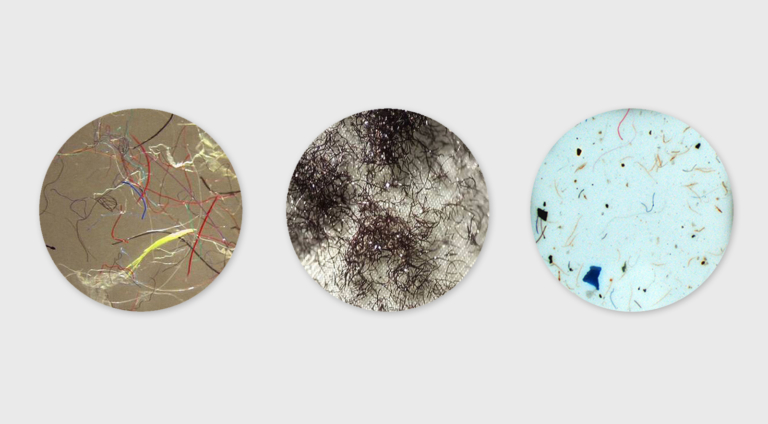
Addressing the shedding of microfibers from synthetic garments continues to be a top priority for us at Patagonia. We know there are a lot of contributing factors to microplastic pollution, and we have been learning all we can about the release of fibers from our garments. Patagonia has commissioned two research projects on microplastics—one through…
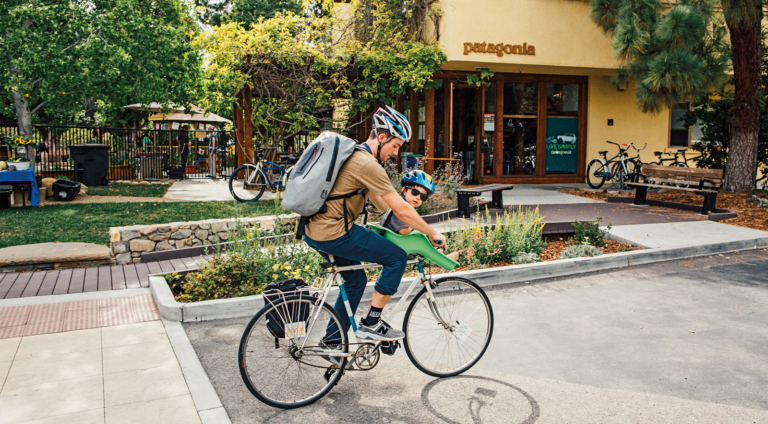
Over the past few months, the business environment has changed dramatically. I’m not talking about trade policy or tax reform, but rather the heightened moral and ethical uncertainty many business leaders now feel at a time when the foundations of our democracy are challenged. New injustices seem to arise almost every day, demanding we speak…
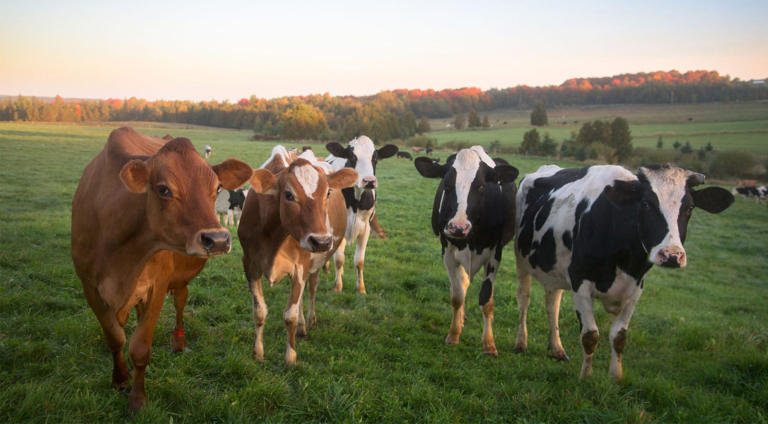
We’re happy to welcome Stonyfield to the B Corp community. When Patagonia was young we felt kinship mostly with companies in the outdoor industry and our friends who worked there. Two companies we admired in the then unfamiliar territory of food included Ben & Jerry’s and Stonyfield, which grew out of an organic farming school…
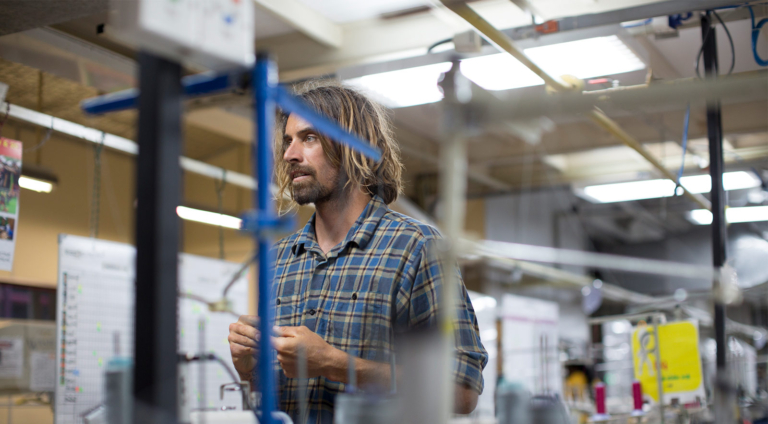
As I step into MAS Active-Leisureline, a Fair Trade Certified factory that makes Patagonia products near Colombo, Sri Lanka, the first thing that confronts my senses is the sound. Row after row of clamorous cutting and sewing machinery is being operated by a few hundred workers, all dressed in bright green uniforms and working under…
In June 2016, we provided a comprehensive update on Patagonia’s work to investigate the emerging issue of ocean pollution from tiny fibers, which often originate from synthetic textiles (such as nylon, acrylic or polyester) that are used in products available to consumers around the world. Research about microplastics pollution is just starting to emerge among…
https://vimeo.com/195015181/8ac09bbe3a In recent years, we’ve seen a boom in production and sales of organic foods worldwide. The global organic food market is expected to grow by 16 percent between 2015 and 2020, a faster rate than conventionally-grown foods. This seems like good news—but in truth, organic farming makes up just a tiny fraction of the global…
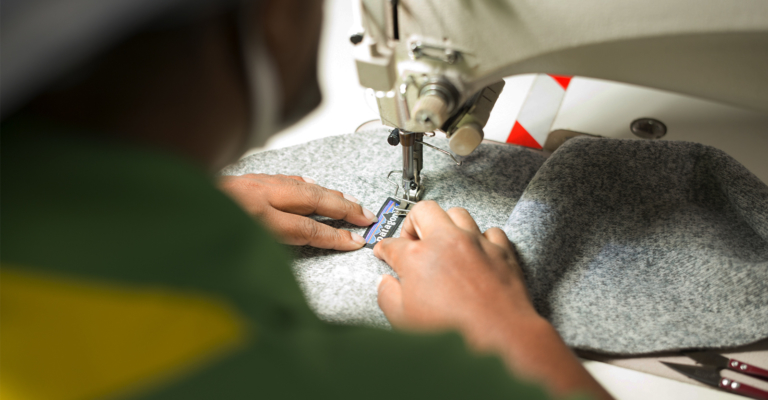
You may be familiar with the “Fair Trade Certified” symbol and its assurance that some of the money spent on a bag of coffee or bar of chocolate goes directly to its producers and stays in their community. Patagonia, in partnership with Fair Trade USA, now makes clothes that provide the same benefit. The program…


